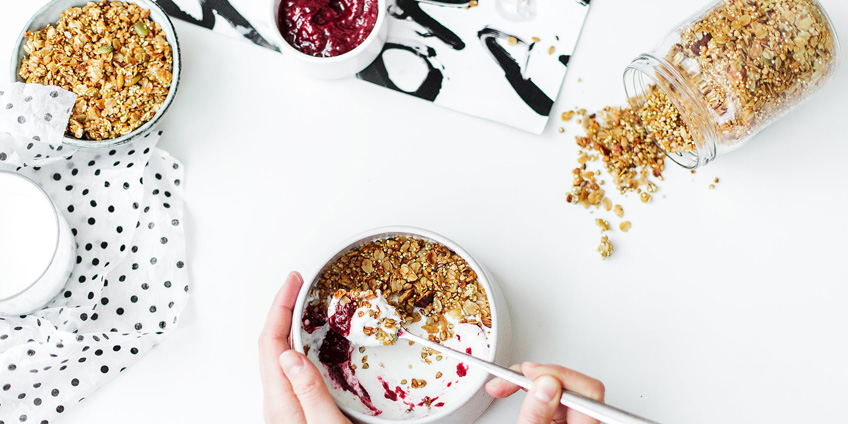
By now, almost everyone has heard of probiotics, the active cultures in a range of dairy products such as yogurt, some cheeses, and kefir, and fermented foods such as miso, kimchi, and sauerkraut. Kombucha is also a powerful probiotic.
Most of these are tasty additions to our diet that can also help improve our overall digestive health. But can they also boost the immune system?
The answer is YES! Many studies have shown benefits related to improved immune system function in people of all ages, including unborn children and nursing mothers.
Here are some highlights.
- Some of the most commonly studied strains support immune cells called T cells and Killer cells. Some of the immune cells triggered also appear to have cancer-fighting properties.
- Probiotics taken by women during pregnancy appear to affect the immune system of the unborn infant. Taken in childhood, probiotics appear to help young children avoid immune-mediated diseases such as asthma, eczema, colds, and type 1 diabetes.
- In one study on probiotics, it was found that they stimulated a range of antibodies, which improved immune function to help fight infection and aided in decreasing inflammation in the body.
- Probiotics may benefit children and adults with Irritable Bowel Syndrome and Ulcerative Colitis; studies on the benefits of probiotics on Crohn’s Disease are not yet conclusive. Probiotics can also help with dermatitis and other allergic reactions.
In addition to improving immune health, it is well-documented that probiotics enhance digestive health in several ways. Probiotics can balance the negative effects of antibiotics, which are taken to rid the body of bacteria.
Antibiotics can be helpful, but unfortunately, they are not selective; they kill both harmful and helpful bacteria at the same time. Probiotics can restore beneficial bacteria and boost the immune cells’ level in the intestines’ mucous membranes.
Probiotics such as Lactobacilli and Bifidobacteria have been found to reduce the incidence and duration of diarrhea in children. They can also reduce the risk of travelers’ diarrhea in adults.
People who are lactose intolerant might think they have to miss out on probiotics because they are so commonly found in dairy products. The good news is that fermented foods such as miso, tempeh (fermented soy), and sauerkraut can all add healthy probiotics to your diet. A probiotic supplement can be taken instead of probiotic-containing foods if needed.
If you have been ill lately and taken antibiotics, or just want to boost your immune system in general, add some probiotics to your diet and see what a difference they can make to your health.