Zinc is one of the minerals that can help delay the onset of dementia, including Alzheimer’s dementia. In most studies, zinc has been shown to improve mental capacity in elders. Likewise, when measured, most older people, including those with dementia and other mental disorders, have been found to be deficient in zinc.
One of the reasons for this is that to get zinc into your bloodstream effectively, you need to have a specific acid that is excreted by the pancreas.
This acid is called “picolinic acid”. When food containing zinc or zinc supplements reach the duodenum (a part of the small intestine), the pancreas excretes picolinic acid. This acid binds with zinc and moves it across your intestine wall and into the bloodstream.
Picolinic acid is created in the liver and kidneys from the amino acid tryptophan, then it moves into the pancreas.
So if you have diabetes or if your pancreas is overworked or weak, you will not be excreting enough picolinic acid and will not be providing enough zinc to your brain. Also if you are eating a diet low in protein you may not be providing your body with enough tryptophan to make picolinic acid. You will need to supplement your diet with zinc in both of these cases.
The type of zinc you need is one that is bound with picolinic acid. This type is called “zinc picolinate.” There are other types of zinc supplements such as zinc citrate and zinc gluconate on the market, but they are not as well absorbed as zinc picolinate. But if you cannot get zinc picolinate, zinc gluconate would be the next best choice.
The body also has many uses for zinc, which is why it is easy to become deficient in it. The body uses zinc for:
- chemical reactions with enzymes
- antioxidant support to prevent arteriosclerosis
- DNA repair to prevent dementia or Alzheimer’s
- cellular activity
- maintaining acid-base balance in the kidneys
- carbon dioxide removal
- making pancreatic enzymes
- detoxifying alcohol in your liver
And the list goes on and on.
Foods To Add To Your Diet To Get More Zinc
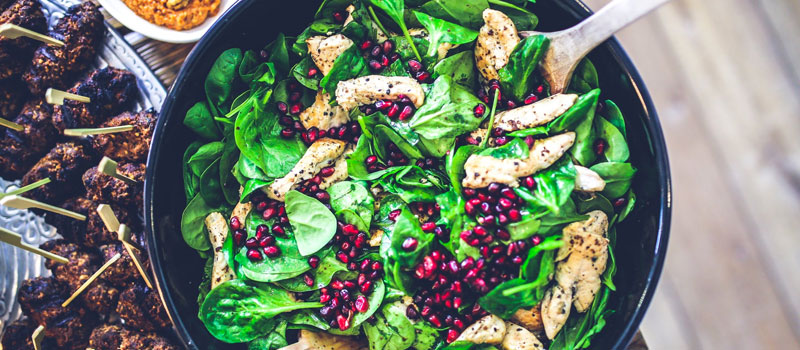
Foods that are high in zinc include beef, lamb, cheese, yeast, oysters, shrimp, herring, sunflower seeds, pumpkin seeds, sesame seeds, wheat germ & bran, mushrooms, spinach, squash, asparagus, collard greens, broccoli, chard, miso and maple syrup.
Zinc can be toxic in excessive amounts. A safe amount to take is 20 – 25 mg per day. Do not take more than 40 mg per day. Toxic effects are stomach pain, nausea, vomiting, cramps, and diarrhea.
Add these foods or a zinc picolinate supplement to your diet in an effort to stave off forms of dementia including Alzheimer’s. There are more micronutrients that you should include in your diet to prevent degradation of your mental health, so it is important to eat a well balanced diet with a large variety of whole foods, especially fruits and veggies!