

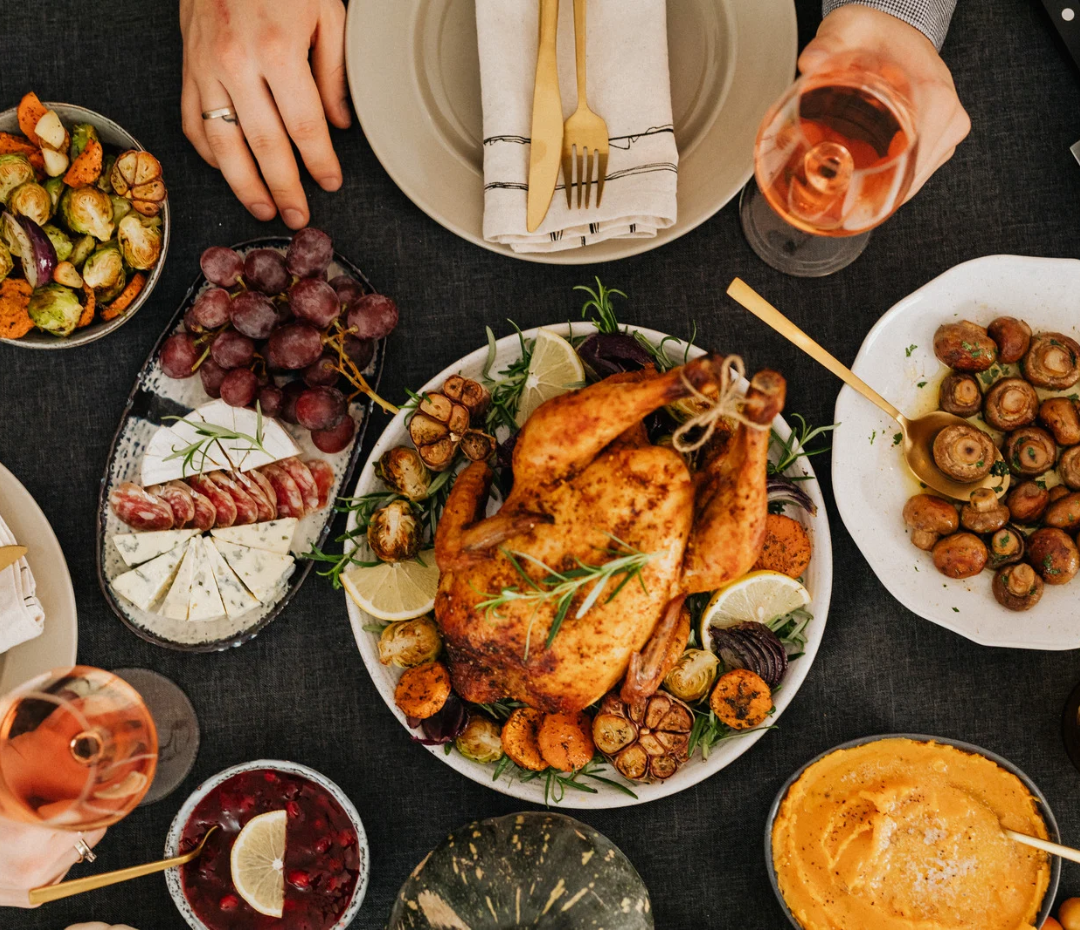
You know the moment. The plates are cleared, the pie is half gone, and you’re quietly unbuttoning your jeans and wondering why you feel so awful.
If you’ve worked hard on your nutrition, movement, and sleep, that post-dinner bloat can feel especially frustrating, like one meal undid weeks of effort.
Here’s the good news: you don’t have to choose between enjoying your favorite holiday foods and feeling good afterward.
At Best Life Functional Medicine, we’re not about restriction or eating perfectly. A few small, intentional choices can support your digestion, keep your blood sugar steadier, and help you feel your best all day long.
Here are our favorite tips to help you beat the bloat this Thanksgiving:
1. Don’t Ditch Your Routine
It’s tempting to “save room” by skipping breakfast, skipping your workout, or deciding healthy habits can wait until January. But showing up starving to Thanksgiving dinner almost always backfires.
When you’re overly hungry, it’s easy to eat fast and keep going past comfortably full. Instead, stick to your normal eating schedule and build your earlier meals around protein, fiber, and healthy fats.
Yes, you can still have the stuffing, the mashed potatoes, and the pumpkin pie. One meal won’t erase your progress. Your everyday habits matter far more for your long-term health than a single holiday dinner.
2. Slow Down and Let Your Body Catch Up
Between the conversation, the excitement, and all that delicious food, it’s easy to clear your plate before you even notice. But eating quickly is a common cause of bloating. You swallow more air and eat more food before your body has time to register that it’s full.
Try these simple strategies at the table:
- Put your fork down between bites.
- Chew each bite thoroughly.
- Pause to enjoy the conversation.
- Check in with how hungry or full you feel as you go.
- Give yourself a few minutes before going back for seconds.
Digestion starts before food even reaches your stomach. The sight and smell of a meal, along with a relaxed environment, help prepare your digestive system for what’s coming. That’s why your state of mind matters. When you’re rushed, stressed, or distracted, it’s harder to tune in to your body’s signals.
Consider adding Digestion Support. If bloating, heaviness, or discomfort after meals is familiar, a digestive enzyme like Digestion Support may help. Digestive enzymes help break down the proteins, fats, and carbohydrates in your food so your body can absorb them. Take 2 capsules at least 30 minutes before each meal.
Slowing down, chewing well, and giving your digestion a little extra support can make a big difference in how you feel after dinner.
3. Try Eating Your Plate in Order
Here’s a simple trick: the order you eat your food in may affect your blood sugar.
Carbohydrates eaten on their own are digested and absorbed more quickly than carbs eaten as part of a balanced meal. Eating your vegetables and protein first may help soften the blood sugar spike that follows. Here’s an easy way to approach your Thanksgiving plate:
- Start with veggies. Roasted Brussels sprouts, green beans, or a fresh salad.
- Move on to protein. Turkey helps you feel satisfied and balances the meal.
- Then enjoy your carbs. Potatoes, stuffing, sweet potatoes, or other favorite sides.
- Finish with dessert if you’d like. Pumpkin pie absolutely has a place at the table.
You don’t have to follow this order perfectly to benefit. The goal is a balanced plate and an intentional approach.
Keep in mind that blood sugar responses vary from person to person. Food order is just one piece of the puzzle, along with what’s on your plate, portion sizes, activity, sleep, and your individual metabolic health.
4. Take a Walk After Dinner
If you add just one habit to your Thanksgiving plans, make it this one.
When you move, your muscles use glucose for energy. A short walk after eating helps your body handle the natural rise in blood sugar after a meal. It also shakes off that post-dinner sluggishness and gives everyone a chance to get outside and connect.
No workout required. Even a gentle 10- to 15-minute walk is a great start. Invite the family, take the dog around the block, or catch up with a loved one as you stroll. If the weather doesn’t cooperate, walk around the house or try some gentle movement indoors.
You’re not trying to “burn off” your meal. You’re simply helping your body use energy and supporting healthy metabolism.
5. Stay Hydrated (and Mindful of What’s in Your Glass)
Between cooking, traveling, and visiting, water is easy to forget.
Staying hydrated supports normal digestion and helps prevent dehydration, which can contribute to constipation. If your digestion tends to be sluggish, sticking with your usual hydration habits is especially important.
Keep a glass of water nearby and sip throughout the day instead of waiting until you’re thirsty.
It’s also worth paying attention to bubbly drinks and alcohol. Carbonation can increase gas and bloating for some people, and alcohol can affect digestion, sleep, and blood sugar.
There’s no need to overthink every drink. Notice how your body responds and choose what helps you feel your best.
6. Build a Gut-Friendly Thanksgiving Plate
From a functional medicine perspective, digestive symptoms are shaped by many factors: what you eat, how you eat, your stress levels, and your underlying gut health.
The good news is that a Thanksgiving spread can be packed with nourishment. Try including:
- Protein: Turkey helps keep you satisfied and supports tissue maintenance.
- Colorful vegetables: Brussels sprouts, green beans, carrots, and squash bring fiber and a range of nutrients.
- Healthy fats: Olive oil, nuts, and seeds add flavor and make meals more satisfying.
- Fiber-rich foods: Vegetables and other plant foods you tolerate well support regularity and feed your beneficial gut bacteria.
One important note: if you’re already prone to bloating, more fiber isn’t always better in the moment. A sudden jump in fiber, big portions of certain vegetables, or foods that are hard for you to digest can make symptoms worse.
Listen to your body rather than forcing down a food just because it’s “healthy.” If you have known food sensitivities or follow a specific nutrition plan, you can still create a delicious holiday meal that works for you.
A Few Thanksgiving Recipes to Try
Looking for inspiration for your holiday table? We have gathered a few recipes that can help you bring nourishing ingredients and seasonal flavors to your Thanksgiving meal.
This flavorful harvest casserole combines roasted butternut squash and Brussels sprouts with chicken sausage, apples, cauliflower rice, cranberries, pecans, and fresh herbs for the perfect balance of savory and sweet. Enjoy it as a nourishing fall meal or a festive addition to your holiday table. Paleo, gluten-free, dairy-free, and Whole30 compatible.
Roasted Green Beans with Almonds
These roasted green beans with toasted almonds will be your new favorite side dish. This is an easy recipe with the simple flavors of lemon and garlic. It’s a perfect side dish for weeknight dinners or on your holiday table.
A crisp, refreshing Thanksgiving slaw made with shredded cabbage, toasted almonds, dried cranberries, and fresh parsley, tossed in a tangy maple-Dijon dressing. This colorful side dish adds a bright, crunchy contrast to traditional holiday favorites and can be prepared ahead of time.
A delicious paleo apple pie featuring tender apples coated in a homemade coconut caramel sauce, nestled in a grain-free crust and topped with a crunchy almond flour streusel. Made without gluten, dairy, or refined sugar for a healthier twist on a classic dessert.
Choose the recipes that fit your family’s traditions and your individual needs. Healthy eating should be enjoyable, sustainable, and flexible.
7. Give Your Nervous System Some Love
Ever notice that your digestion gets worse when you’re stressed? That’s not in your head. Well, technically it is, and that’s the point.
Your gut and your brain are in constant communication through what’s known as the gut-brain connection. When you’re under stress, your body switches into “handle the challenge” mode. That can affect digestion, including how quickly food moves through your gut and how strongly you feel abdominal discomfort.
And let’s be honest: Thanksgiving can be stressful. You might be cooking a huge meal, traveling, navigating family dynamics, or trying to keep everyone happy.
Before you sit down to eat, take a few slow, deep breaths. Let your shoulders drop, settle into your seat, and set your to-do list aside for a moment.
It also helps to simplify where you can, ask for help, and let the day be imperfect.
Your health isn’t only about what’s on your plate. How you eat and how you handle stress matter too.
8. Ditch the All-or-Nothing Mindset
This might be the most important tip of all: you don’t have to choose between your health goals and enjoying Thanksgiving. You can eat nourishing foods and enjoy your favorite family recipes. You can support balanced blood sugar without avoiding every carb. You can listen to your body without feeling guilty about dessert.
It’s about understanding what your body needs and building sustainable habits that support your health over time, not about perfection.
So if you eat more than you planned or feel bloated after dinner, there’s no need to make up for it by skipping meals, restricting the next day, or overdoing it at the gym. Just return to your normal routine: drink water, enjoy balanced meals, move your body, and get good sleep.
If bloating, fullness, or digestive discomfort after meals is a regular thing for you, it may be worth digging deeper into what’s behind it. We’d love to help. Email us at [email protected] and we’ll help point you in the right direction.
Enjoy Thanksgiving and Feel Good Doing It
Your health is shaped by what you do most days, not by one meal or one holiday.
This Thanksgiving, focus on what you can add instead of what you need to take away:
- A walk after dinner
- Colorful veggies on your plate
- A few calm breaths before you eat
- Time to connect with the people you love
Most importantly, give yourself permission to enjoy the day.
At Best Life Functional Medicine, we look beyond symptoms to understand what’s really driving how you feel. If digestive discomfort, blood sugar concerns, or other symptoms have become part of your everyday life, there may be more to explore. You deserve to feel your best, not just on Thanksgiving but all year long.
Wishing you and your family a happy, healthy Thanksgiving!
In health,
Dr. Libby & The Team at Best Life